
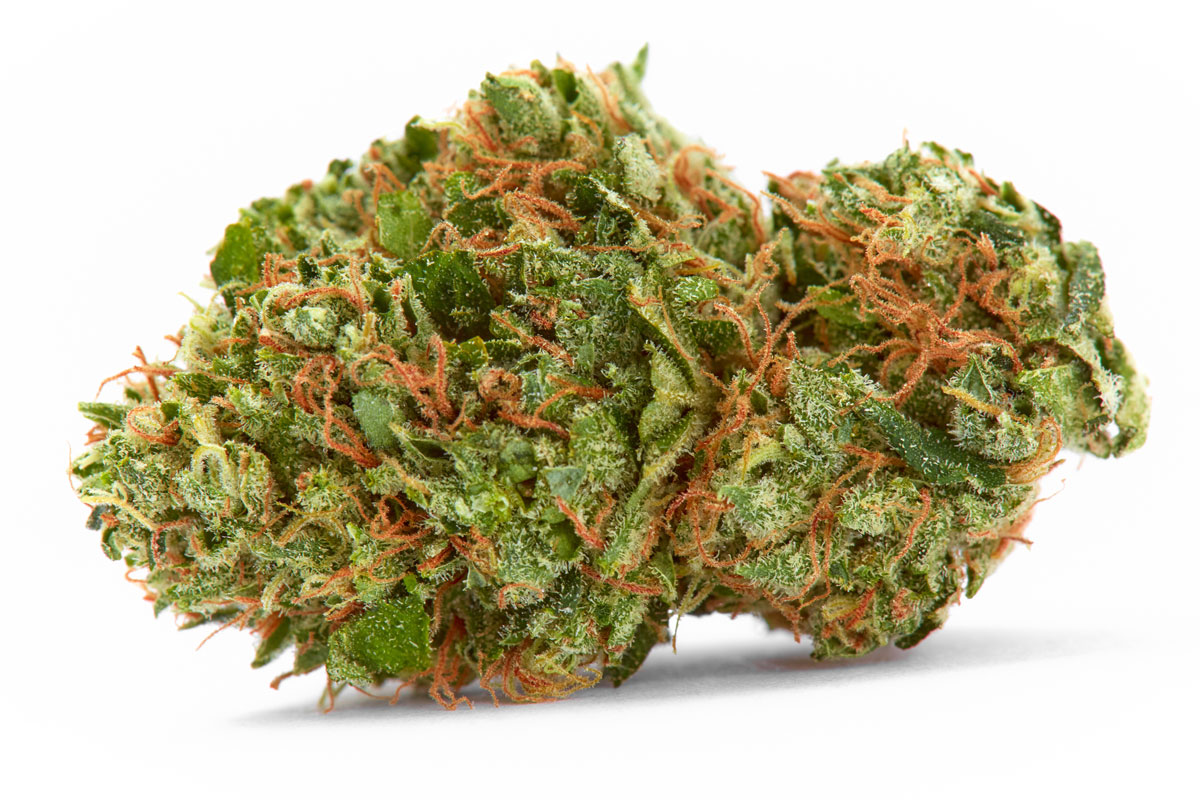
 Walk into any dispensary, and you will see flower priced all over the map. Two jars might look nearly identical with similar THC percentage and bag appeal, yet one costs noticeably more. So what gives? A big part of the answer has nothing to do with how the flower looks and everything to do with how it got to the shelf in the first place. Specifically, it depends on whether or not the processor remediated the bud.
At Resinate, we talk about this more than most dispensaries do, because we think you deserve to know exactly what you are buying.
Key Takeaways:
- Price differences often trace back to remediation, not just bag appeal.
- Remediation lets failed batches get a second chance.
- Remediated and never-remediated flower look identical on paper.
Remediation treatments can degrade the terpenes responsible for flavor and aroma. - Resinate flower passes lab testing on the first try due to careful cultivation and phenotype hunting for resilient genetics.
 What Remediation Actually Means
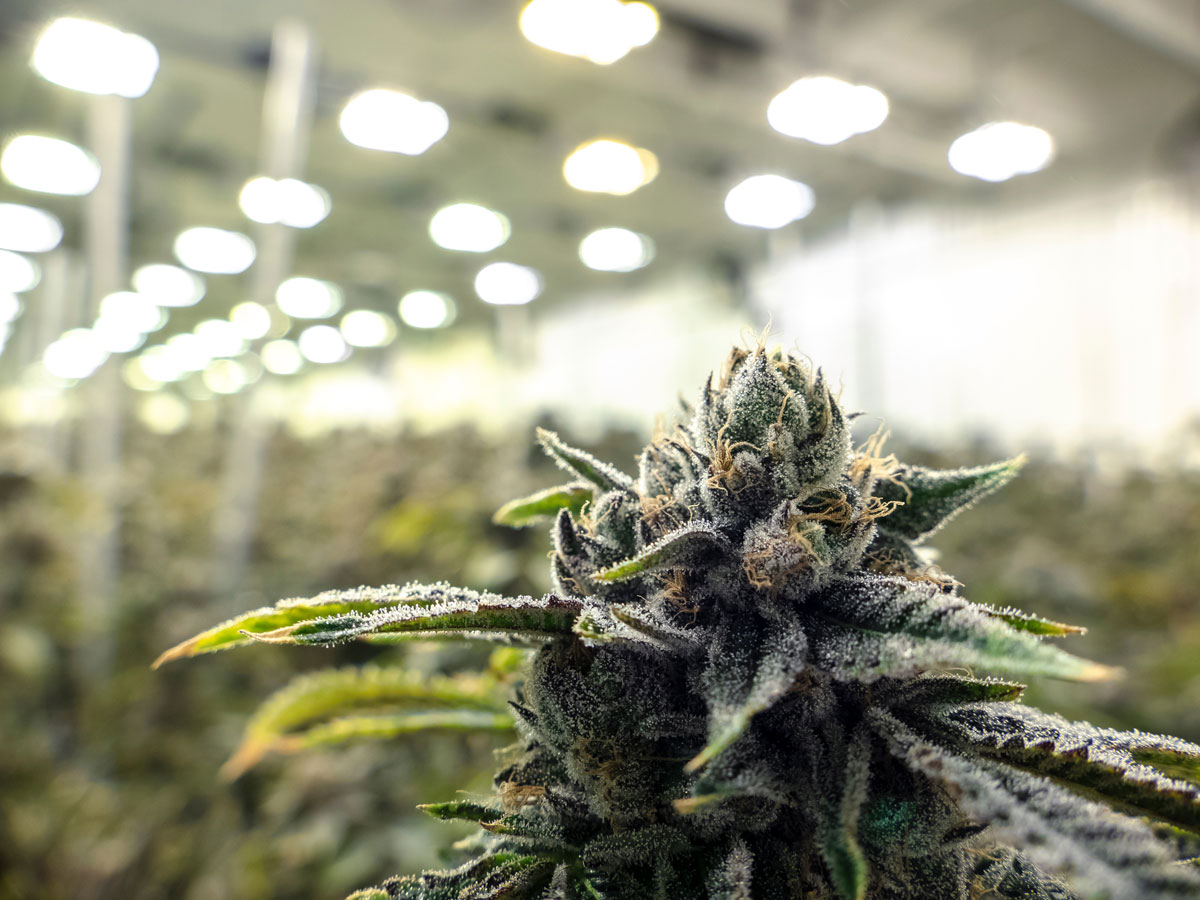
Remediation is a post-harvest process in which cultivators treat cannabis flower that initially fails a lab test, most commonly for microbial contamination like mold, yeast, or bacteria. Instead of destroying the batch, processors can treat it and resubmit it for testing. If the batch passes the second time, the state clears it for sale just like flower that passes on the first attempt.
In Massachusetts, this is not a gray-area workaround. In fact, the Cannabis Control Commission wrote this process into its regulations. Under state rules, processors can reanalyze, remediate, or destroy a batch that fails initial testing. If a cultivator chooses remediation, the product undergoes treatment and an independent lab tests it again.
The state caps remediation attempts at two. If the flower fails after that, the cultivator must destroy it with no exceptions.
How Remediation Actually Works
There is not one single remediation method. A few of the most common include:
- Irradiation, which uses gamma rays or electron beams to damage the DNA of mold and bacteria so they cannot multiply.
- Heat treatments, like pasteurization or vapor sterilization, use controlled heat to reduce microbial counts.
- Ozone or chemical treatments, which pass flower through an ozone chamber or apply a chemical wash to neutralize contaminants.
Each method solves the same basic problem: knock the microbial count down low enough to pass a retest. To be clear, remediation exists for a reason. After all, mold and bacteria on cannabis flower pose a legitimate health concern, especially for anyone who is immunocompromised.
Overall, treating a contaminated batch is generally a better outcome than looking the other way.
 What It Means for Consumers
Here’s the part that matters for how you shop, though. First, remediation treats the problem after it is already there. It does not undo the fact that the flower grew moldy, bacterial, or otherwise out of spec in the first place. Furthermore, remediation doesn’t always leave the flower intact. Heat and radiation, in particular, can degrade the terpenes responsible for flavor and aroma.
Additionally, there is another wrinkle worth understanding. Once remediated flower passes its second test, the state issues the same certificate of analysis as it does for flower that passes on the first try. The package does not receive a separate label showing the batch needed a second attempt.
From a compliance standpoint, remediated and never remediated flower can look identical on paper. That’s why we think it’s worth talking about, instead of concealing information from consumers.
Why We Say Our Flower Is Never Remediated
When you hear us say we never remediate Resinate flower, here’s what that actually means. Our flower passes microbial and contaminant testing the first time, because of how we grow, handle, and dry it, not because we cleaned it up for a second try.
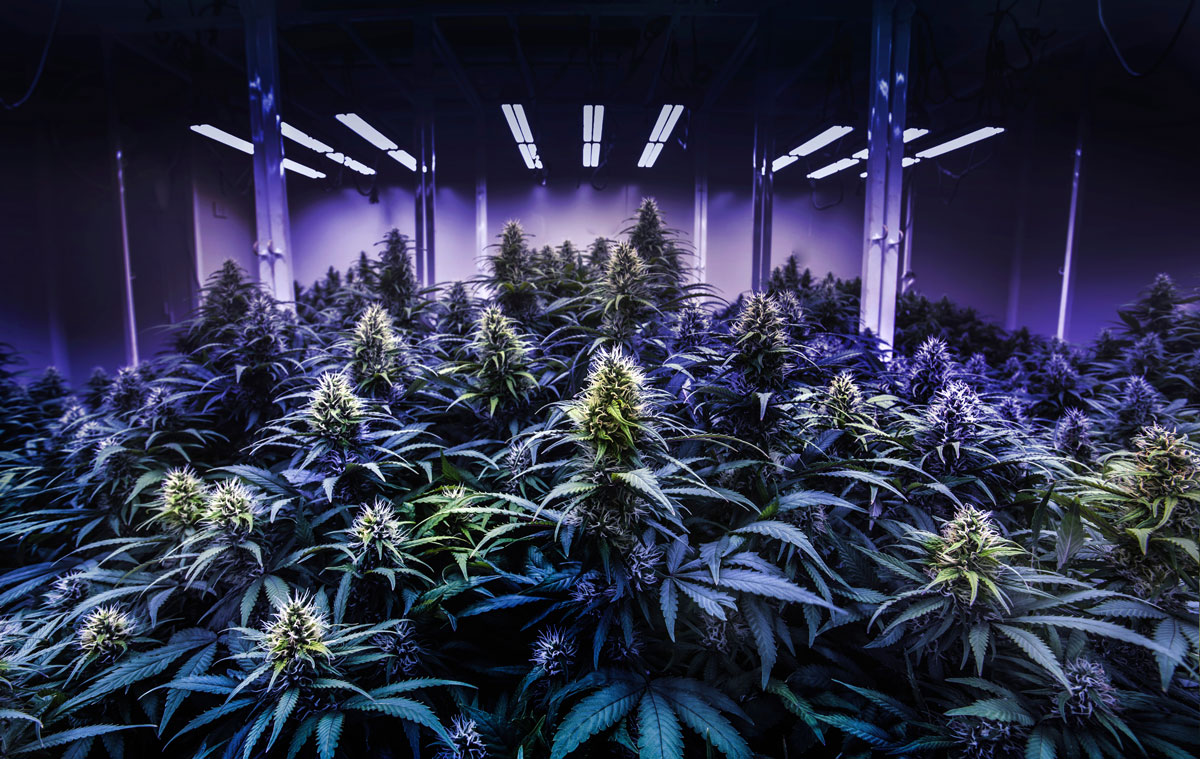
That comes down to process, not luck. Cultivation decisions like airflow, humidity control, drying time, and sanitation all shape whether the flower is clean going into testing. It is also part of why we lean heavily into phenotype hunting, our process of selecting and refining the plant genetics that make it into our Resinate and Trees Co. lines.
A strain that is more resilient and easier to grow cleanly tends to stay that way from harvest to jar, without needing an emergency fix at the finish line.
None of this means every flower that has ever been remediated is automatically unsafe. After all, Massachusetts retesting requirements ensure remediated products meet safety standards. However, there is a real difference between flower that needed a second attempt to pass lab testing and flower that didn’t.
Ultimately, if terpene preservation, flavor, and freshness matter to you, that difference is worth knowing about.
What This Means Next Time You Are Shopping
You don’t need to interrogate every budtender in Worcester or Northampton, but a few things can tell you a lot:
- First, ask whether the flower you’re looking at has ever been remediated.
- Next, ask what testing standard the dispensary holds itself to beyond the state minimum.
- Finally, look closely at the aroma and trichome quality, since heavily treated flower can sometimes look flatter or smell less vivid.
In summary, shopping smarter isn’t about chasing the highest THC number on the shelf. It’s about understanding what you’re paying for, and treating “never remediated” as a meaningful claim rather than a marketing gimmick.
At Resinate, that’s the whole point of talking about this. In the end, better information leads to better decisions, and a better experience once you get home and pack the bowl.
FAQs About Remediated Flower
- What is cannabis remediation?
Remediation is a post-harvest process where cultivators treat flower that initially fails a lab test, most commonly for microbial contamination like mold, yeast, or bacteria, then resubmit it for testing. - Is remediation legal in Massachusetts?
Yes. The Cannabis Control Commission has written remediation into its regulations, allowing processors to reanalyze, remediate, or destroy a batch that fails initial testing. - What methods are used to remediate cannabis flower?
Common methods include irradiation (gamma rays or electron beams), heat treatments (like pasteurization or vapor sterilization), and ozone or chemical treatments. - Does remediation affect flower quality?
It can. Heat and radiation treatments in particular can degrade the terpenes responsible for flavor and aroma, even though the flower still meets safety standards. - Can you tell if flower has been remediated just by looking at its certificate of analysis?
No. Remediated flower receives the same certificate of analysis as flower that passed on the first try, so the two can look identical on paper. - Why does Resinate say its flower is “never remediated”?
Resinate’s flower passes microbial and contaminant testing on the first attempt. This is due to careful cultivation practices and phenotype hunting for more resilient genetics, not because it was treated after an initial failure.
Shop High-Quality Flower at Resinate Massachusetts
At Resinate dispensaries, our cannabis products are crafted with intention. We’re proud to grow many of the products we sell, giving you peace of mind that what’s on our shelves meets the highest standards.
If you want to see what never remediated, phenotype-hunted flower actually looks and smells like, stop by our Worcester or Northampton locations.
DISCLAIMER: The contents of this blog are intended for informational purposes only. Always seek the advice of a physician or other qualified healthcare provider with any questions you may have regarding a medical condition.